
Positive Behaviour Support (PBS) for NDIS participants Behaviour Support in Victoria Functional Behaviour Assessments for NDIS participants
A Behaviour Support Plan sets out practical, everyday strategies for National Disability Insurance Scheme (NDIS) participants and the people who support them. We build it with you, using a Positive Behaviour Support approach.
Meet Jo, a Behaviour Support Practitioner based in Victoria. She works with National Disability Insurance Scheme (NDIS) participants aged 16 and over, and the families and teams around them.
A Functional Behaviour Assessment helps you understand what's behind behaviours of concern. What we learn shapes a National Disability Insurance Scheme (NDIS) Behaviour Support Plan that fits everyday life.
- Funded under NDIS Improved Relationships
- For participants aged 16 and over
- Based in the Macedon Ranges and via telehealth across Australia
- Functional Behaviour Assessments
- Plans that work towards reducing restrictive practices
- Based in the Macedon Ranges and via telehealth across Australia
- Funded under NDIS Improved Relationships
- Referrals and direct enquiries welcome
- A clear look at what's behind behaviour
- Funded under NDIS Improved Relationships
- Based in the Macedon Ranges and via telehealth across Australia

Person-centred Positive Behaviour Support (PBS)
Behaviours of concern can affect daily life, relationships and safety. For the person, and for the people around them, it can feel confusing and tiring.
Behaviour is often a way of communicating a need. Understanding that need is a good place to start.
You don't have to work it out on your own.
How we can work together
-
Understand what's behind the behaviour
Where it's helpful, a Functional Behaviour Assessment looks at patterns, triggers and the needs a behaviour may be communicating.
-
Build a plan that fits everyday life
We work with you on a personalised Behaviour Support Plan with practical strategies that can help everyone respond in the same way.
-
Support the whole team
We coach families, carers and support workers so they feel confident using the plan. Where restrictive practices are in place, we work towards safer, less restrictive options.
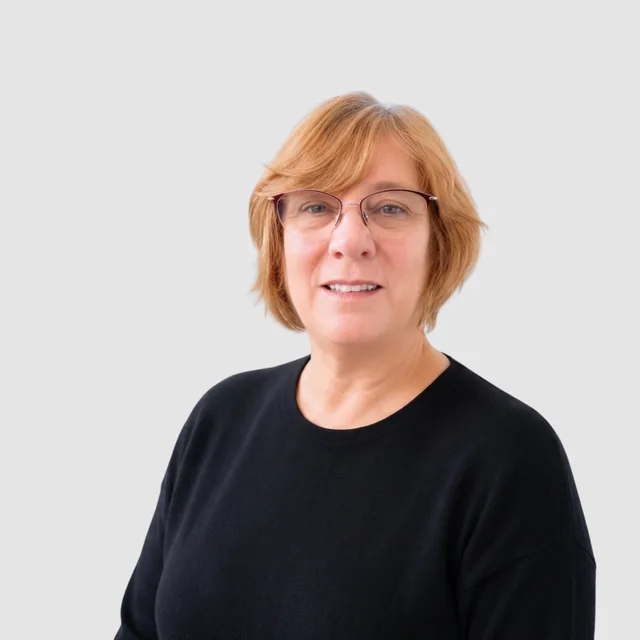
Meet Jo
Jo Szkilnyk, Behaviour Support Practitioner
Jo has experience in Functional Behaviour Assessments, behaviour analysis and planning support that fits the person. She turns complex ideas into clear, practical guidance and works closely with families and support teams, so strategies stay consistent. She's based in Victoria's Macedon Ranges.
- Behaviour Support Plans
- Functional Behaviour Assessments
- Training for Families and Carers
- Goal Development
- NDIS Reporting
How it works
-
Get in touch
Fill in the form or give us a call. We'll get back to you within one business day.
Get in touch -
Get to know the person
We start by listening. We learn about the participant's strengths, goals, history and support network. We also build on any assessments and strategies already in place.
-
Plan and review together
Where it helps, we complete a Functional Behaviour Assessment and develop a Behaviour Support Plan. We then coach the support team and adjust the plan as needs change.
Fees
[50-minute session: $fee]
Common questions
What is a Behaviour Support Plan?
It's a written plan with practical strategies for everyday life. It's based on what we learn about the person and their behaviour, often through a Functional Behaviour Assessment. It helps everyone in the support team respond in consistent, respectful ways.
What is a Functional Behaviour Assessment?
It's a structured way of understanding behaviours of concern. A Behaviour Support Practitioner looks at what happens before and after a behaviour and what it may be communicating. They observe, talk with the participant and their supporters and review relevant history and records.
How is Behaviour Support funded?
Behaviour Support is funded through the NDIS under Improved Relationships. You'll need Behaviour Support funding included in your NDIS plan. Not sure what your plan covers? Talk to our team and we can work through it with you.
Who is Behaviour Support for?
We work with NDIS participants aged 16 and over whose behaviours of concern are affecting daily life, relationships, participation or safety. It can also help where restrictive practices are in use and the goal is to reduce them.
Who can make a referral?
Referrals can come from support coordinators, GPs or treating clinicians. Participants and families can also get in touch directly and we'll help guide the process.

Nurah is here when you're ready
Send us a message or call 1800 571 295. We'll take it from there, together.
Get in touch